


-

Add: HeBei ShengShi HongBang Cellulose Technology CO.,LTD.
-

Email
13180486930@163.com -

CONTACT US
+86 13180486930
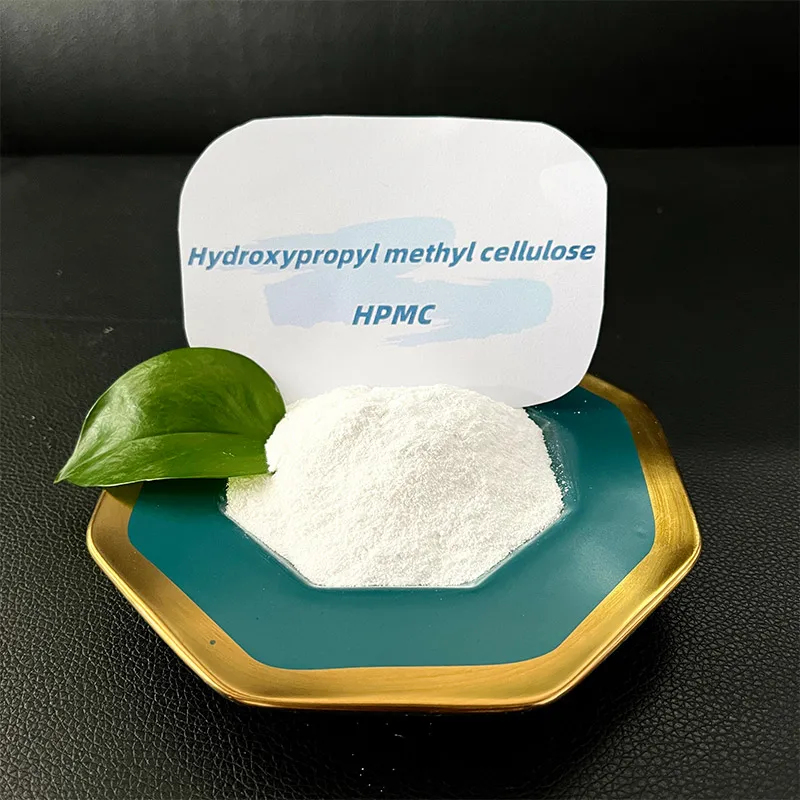
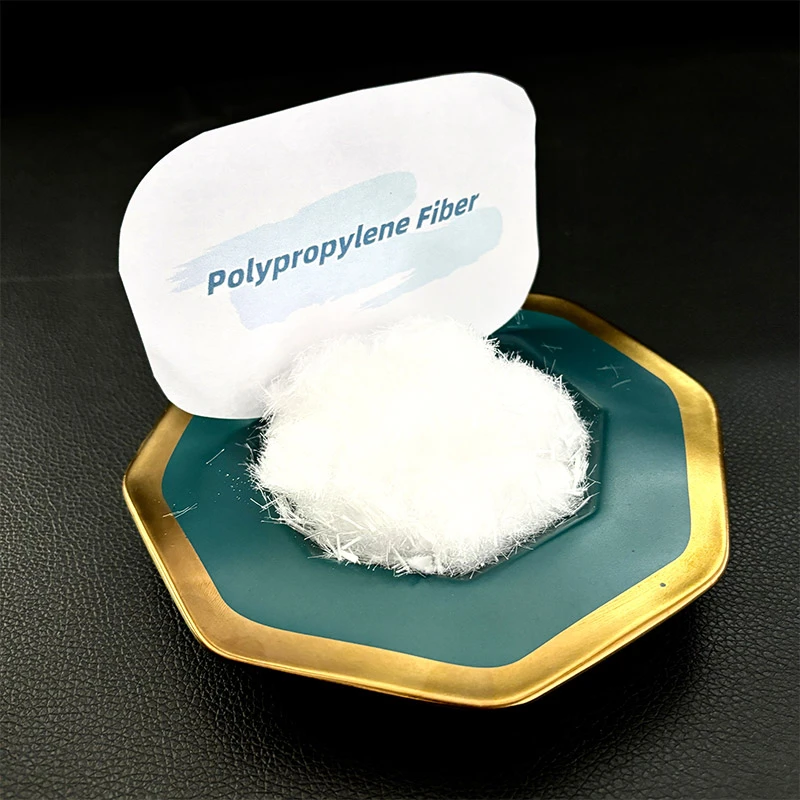




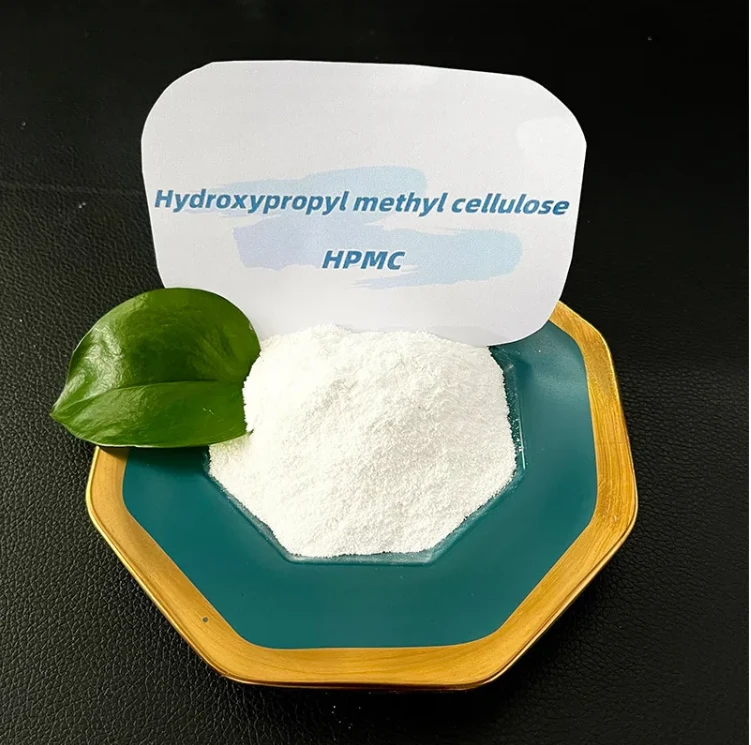
Hydroxypropyl Methylcellulose (HPMC) has seen a surge in demand across various industries, making the buying process an area of great interest. For those seeking to purchase HPMC, having a comprehensive understanding of the product, coupled with insights from industry professionals, is essential. An important characteristic of HPMC is its versatile applicability. With its non-toxic, tasteless, and odorless attributes, it is commonly used in pharmaceuticals, construction, food, and personal care products. In pharmaceuticals, HPMC acts as a binder and time-release agent, ensuring effective delivery of active ingredients. For construction, it enhances water retention and workability in products like cement and mortar, showcasing its pivotal role in the building sector. Purchasing HPMC demands expertise from industry insiders who emphasize the importance of quality . Experts recommend sourcing from certified manufacturers who adhere to international standards such as ISO and GMP. These certifications guarantee that the HPMC is manufactured under stringent quality control, ensuring product reliability and safety for end-users. Real-world experience highlights the importance of considering particle size and viscosity levels when buying HPMC. Different applications require specific viscosity ranges; for instance, higher viscosity HPMC is ideal for tile adhesives, whereas lower viscosity types might be better for pharmaceutical applications. Experienced professionals suggest requesting product samples to conduct application-specific tests before making bulk purchases. This not only ensures compatibility but also prevents potential product wastage. Authoritative voices in the industry emphasize the significance of understanding regional regulations. Product compliance can often vary depending on geographical location, affecting the import and usage of HPMC. Therefore, it is advisable to consult with regional experts and legal advisors to navigate through these regulatory frameworks effectively. hpmc buy Trustworthiness in the HPMC supply chain is another crucial factor. Buyers are advised to perform due diligence on suppliers. This includes reviewing company histories, customer testimonials, and case studies. Opting for suppliers with a proven track record, robust customer support and transparent business practices can significantly diminish risks associated with quality and delivery schedules. For ensuring seamless transactions, economic considerations play a pivotal role. Bulk purchasing can lead to significant cost reductions. However, financial experts suggest balancing purchase volume with inventory management to avoid overstocking, which could lead to increased holding costs. Developing a strategic purchasing plan with flexible terms can optimize financial outcomes while securing a steady supply of HPMC. Finally, leveraging technology can greatly aid in the HPMC procurement process. Utilizing supply chain management software can streamline operations, providing real-time updates on inventory levels, shipment tracking, and vendor communication. Such tools enhance efficiency, ensuring that the acquisition process aligns with business objectives. In conclusion, buying HPMC involves a blend of understanding its applications, ensuring quality through certified suppliers, adhering to regulations, establishing trust with vendors, managing economic factors wisely, and incorporating technological solutions. By focusing on these aspects, businesses can make informed decisions, optimizing the benefits of HPMC across their respective industries.
- 40000tons

Production
- 20+years

Experience
- 5000+㎡

Acreage

-
Найлон жиптери — бул заманбап текстилдик өнөр жайында кеңири колдонулган синтетикалык жиптердин бири. Алардын уникалдуу касиеттери жана колдонулушу аларды эларалык базарда абдан популярдуу кылды. Найлон жиптери 1935-жылы америка химиги Уоллес Карозер тарабынан чыгарылган. Бул жиптер негизинен полиамид же полимерден жасалат, аларга созулуш жана күчтүүлүк берет. Найлон жиптеринин эң негизги артыкчылыктарынын бири — алардын жогорку бекемдиги. Бул жиптер даамы жакшы, ошондой эле суу киргизбейт. Алар көптөгөн температураларда жана шарттарда өзүнүн формасын сактап кала алат. Мисалы, найлон жиптеринен жасалган кийимдер, спорттук жабдыктар, үй буюмдары жана башка көптөгөн буюмдар бар. Найлондун жөнөкөй куланган формасы бут кийимдерден баштап, кийимдерге, сумкаларга жана өнөр жайда колдонулган сырьёго чейин бар. . Найлон жиптери экологиялык көйгөйлөрдү жаратышы мүмкүн, бирок алар боюнча изилдөөлөр жүрүп жатат. Көпчүлүк компаниялар найлон жиптерин кайра иштетүүчү технологияларды өнүктүрүүгө аракет кылып жатышат. Рециклдөө процессин колдонот. Ошентип, жаңы сырьёду алуу үчүн жиптерди кайра иштетүү аркылуу экологияны коргоо, ресурстарды үнөмдөө жана жаңы материалдарды иштеп чыгуу мүмкүнчүлүктөрү бар. nylon fibres are Найлон жиптерин кийим өндүрүүдө да кеңири колдонулат. Мисалы, спорттук кийимдер, жүн кийимдери жана суу өткөрбөй турган капталдар найлон жиптеринен жасалган. Алардын жогорку суу өткөрбөй турган касиеттеринин аркасында жамгыр же башка суу түшкөн шарттарда сизди курчап ала турган кийимдерди камсыз кылууга мүмкүндүк берет. Мындан тышкары, найлон жиптери жеңил жана ыңгайлуу. Бул алардын компаниялар тарабынан кеңири колдонулушунун дагы бир себеби. Буга кошумча, найлон жиптери моданын дүйнөсүндө да маанилүү роль ойнойт. Дизайнерлер жана стилисттер найлон жиптерин кийимдерде жана аксессуарларда колдонуу аркылуу уникалдуу жана заманбап көрүнүштөрдү жаратууга мүмкүнчүлүк алышат. Найлон жиптери боёкторго, текстураларга жана стильдерге ылайыкташып, ар кандай тренддерди чагылдырууга мүмкүнчүлүк берет. Кыскача айтканда, найлон жиптери өзгөчө физикалык касиеттери жана кеңири колдонулушу менен текстилдик индустрияда маанилүү системаны түзөт. Алардын кайра иштетүү жана экологиялык жактан таза өндүрүш процессине жасалган аракеттер жаңы изилдөөлөр менен бирге аларды келечекте дагы кеңири колдонууга мүмкүнчүлүк берет. Негизинен, найлон жиптери азыркы замандан бөлүк катары, бизди модадан спортко, үй шарттарына чейин коштоп келе жатат.
-

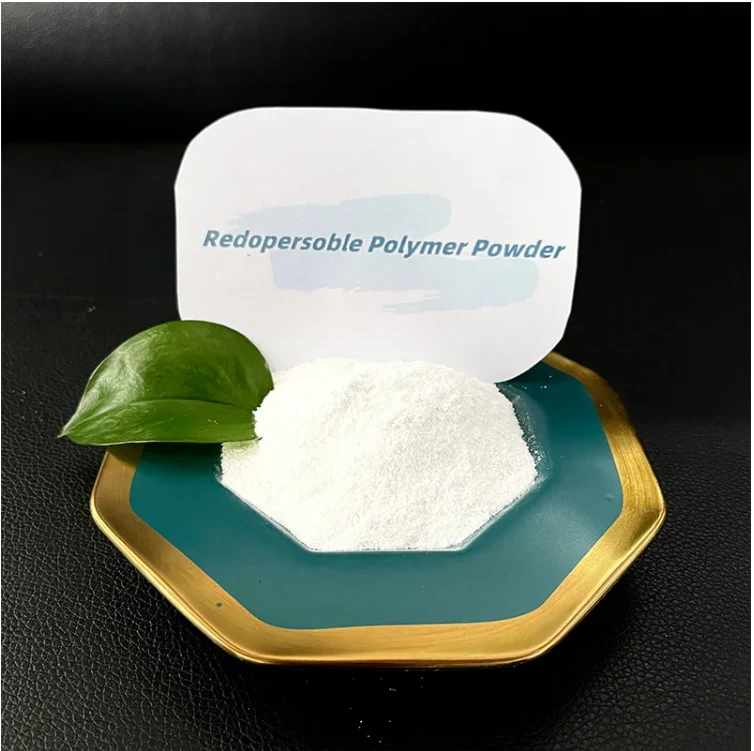
The pharmaceutical industry increasingly relies on advanced polymer solutions for efficient drug formulation. Ethyl cellulose powder stands out as a premier binder, offering unparalleled control over drug release rates and tablet integrity. As wholesalers, we provide bulk quantities of this critical excipient alongside complementary materials like re dispersible polymer powder , redispersible powder , ldpe powder , and polylactic acid powder to streamline your production pipeline. Our global supply chain ensures consistent quality and volume scalability for industrial manufacturers seeking reliable excipient solutions that meet rigorous pharmacopeial standards without compromising batch-to-batch consistency. Redispersible Powder and Re Dispersible Polymer Powder: Dual Forces in Drug Encapsulation Pharmaceutical innovators leverage redispersible powder and re dispersible polymer powder to enhance drug stability and bioavailability. These powders form flexible film coatings that protect active ingredients from degradation, enabling targeted release profiles. When combined with ethyl cellulose powder , they create hybrid matrices for extended-release tablets – significantly reducing dosing frequency. Wholesale partnerships provide access to certified batches with controlled particle sizes essential for automated capsule-filling lines. Industrial-scale clients receive technical support for optimizing polymer ratios in granulation processes, minimizing production downtime. Advanced formulations offer enhanced moisture resistance for challenging climates where humidity compromises conventional binders. Bulk shipments include comprehensive documentation verifying international regulatory compliance for seamless market access across multiple regions. LDPE Powder: Revolutionizing Pharmaceutical Packaging Beyond drug formulation, ldpe powder transforms pharmaceutical packaging through molded blister packs and specialized containers. Its unique structure provides impact resistance while maintaining critical barrier properties for sensitive drugs. When blended with ethyl cellulose powder , it creates specialized caps with controlled release mechanisms. Wholesale volumes support just-in-time manufacturing for packaging lines, with custom processing services ensuring optimal flow characteristics. Sustainability initiatives now incorporate recycled ldpe powder without compromising barrier properties – meeting regulatory requirements while reducing environmental impact. Technical consultations cover processing adjustments for climate-specific stability, preventing material compromises during transit and storage under variable conditions. Polylactic Acid Powder: Sustainable Solutions for Medical Implants The rise of biodegradable medical devices positions polylactic acid powder as a cornerstone material for absorbable medical components. Its controlled degradation profile aligns with tissue regeneration requirements, while ethyl cellulose powder additives precisely modulate degradation kinetics. Wholesale procurement includes certified batches optimized for advanced manufacturing technologies – enabling cost-efficient production of specialized implants. Bulk pricing advantages apply to substantial orders of composite blends for specialized applications. Rigorous biocompatibility testing validates performance, with comprehensive batch traceability systems ensuring material integrity throughout the supply chain from production to end-use application. Ethyl Cellulose Powder: Multi-Industry Binding Innovations While dominant in pharma, ethyl cellulose powder excels in construction and agrochemical sectors. In specialized adhesives, it combines with redispersible powder to significantly improve material performance. Agrochemical producers use it for encapsulation applications, ensuring environmental resilience. Wholesale offerings include multiple viscosity grades suitable for various processing methods. Strategic global stockholding guarantees rapid emergency dispatch capabilities, with monitored bulk containers preventing environmental compromises. Collaborative R&D programs help clients reformulate legacy products – for example, substituting traditional binders with ethyl cellulose powder to meet evolving regulatory standards while maintaining performance characteristics in demanding applications. FAQs : Ethyl Cellulose Powder How does ethyl cellulose powder improve tablet dissolution profiles? By creating specialized matrices that control hydration rates, enabling controlled active ingredient release over prolonged periods without initial burst effects. Can ldpe powder be used in direct contact with pharmaceuticals? Specifically in packaging applications; pharmaceutical-grade ldpe powder meets regulatory requirements for protective barrier layers in drug containment systems. What distinguishes re dispersible polymer powder from conventional binders? Its unique ability to reform colloidal films after drying provides distinctive performance properties in coatings – a significant advantage over traditional binding agents. Is polylactic acid powder suitable for thermal processing? Specially modified grades withstand elevated processing temperatures for manufacturing, though crystallization behavior requires controlled thermal management protocols. Do you offer blended systems like ethyl cellulose powder redispersible powder ? Custom pre-mixed formulations are available for substantial orders, optimized for specific processing equipment and application requirements.
advantages
-

200000 Viscosities
Excellent product
We can produce pure products up to 200,000 viscosities
-

40000 tons
High yield
We don’t stop production all year round, and the annual output can reach 40,000 tons
-

24 hours
Quality service
We provide 24-hours online reception service, welcome to consult at any time
———— Inquiry Form
Schedule A services


-
 hpmc_in_pharma
Oct . 25, 2025
Hydroxypropyl methylcellulose (HPMC), a multifunctional polymer, serves as a key excipient in tablet -
 vae_powder_supplier
Oct . 25, 2025
HPMC E5 LV, connu sous le nom de hydroxypropylméthylcellulose, est un polymère essentiel dans l'indu -
 hpmc_eye_drops_brands
Oct . 25, 2025
The Rise of PP Fiber Manufacturers A Look into the Industry In recent years, the global demand for p


